Living in a rapidly changing world, we often find ourselves dealing with stress, anxiety, and exhaustion. One of the simplest yet most effective ways to counter these challenges lies in something we do every day — breathing. Breathing techniques are powerful tools that help regulate your nervous system, boost focus, improve physical health, and enhance emotional well-being. Whether you’re looking to reduce stress, increase energy, or deepen your meditation practice, learning how to breathe properly can transform your life.
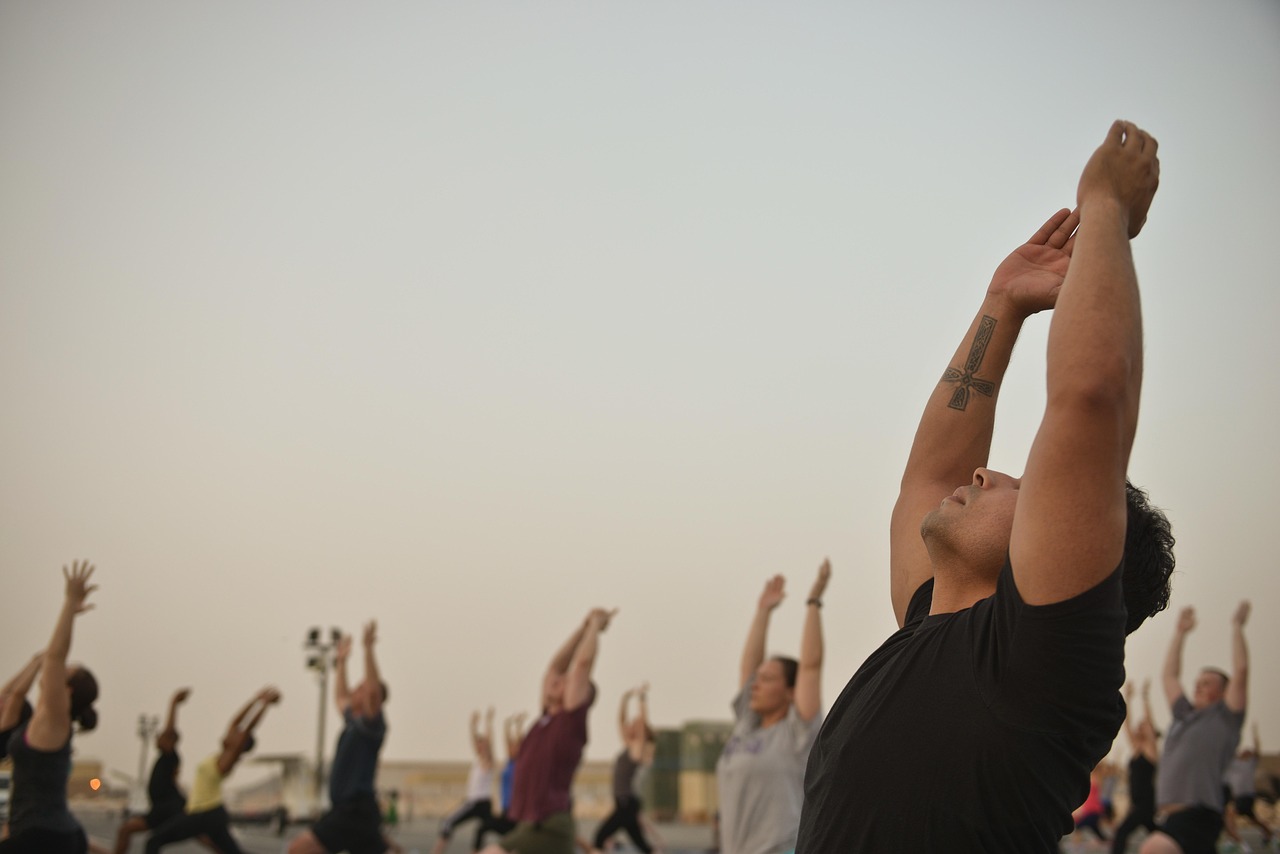
What Are Breathing Techniques?
Breathing techniques are controlled patterns of inhaling and exhaling that influence your body’s physiological and psychological state. By consciously adjusting how you breathe, you can calm your mind, balance your energy, and even improve your immune system. These techniques are widely used in yoga, meditation, sports training, and even modern therapy sessions for anxiety and panic disorders.
The Science Behind Breathing
When you take deep, slow breaths, your body activates the parasympathetic nervous system, often referred to as the “rest and digest” mode. This reduces heart rate, lowers blood pressure, and signals your brain to relax. On the other hand, shallow or rapid breathing activates the sympathetic nervous system, responsible for the “fight or flight” response — increasing stress and tension.
Studies show that regular practice of deep breathing exercises can:
- Reduce cortisol (stress hormone) levels
- Improve concentration and mental clarity
- Enhance sleep quality
- Strengthen lung capacity
- Support emotional stability
Popular Breathing Techniques You Can Try
1. Diaphragmatic Breathing (Abdominal Breathing)
This foundational technique involves deep breathing into your belly rather than your chest.
How to do it:
- Sit or lie down comfortably.
- Place one hand on your chest and the other on your abdomen.
- Inhale slowly through your nose, allowing your stomach to rise.
- Exhale through your mouth, letting your belly fall.
This technique is excellent for reducing anxiety and promoting relaxation.
2. Box Breathing (Four-Square Breathing)
Used by athletes, soldiers, and meditators alike, box breathing enhances focus and calmness.
How to do it:
- Inhale through your nose for 4 seconds.
- Hold your breath for 4 seconds.
- Exhale for 4 seconds.
- Hold again for 4 seconds.
Repeat several times to regain control over your breath and emotions.
3. 4-7-8 Breathing
Developed by Dr. Andrew Weil, this method is great for stress relief and better sleep.
How to do it:
- Inhale quietly through your nose for 4 counts.
- Hold your breath for 7 counts.
- Exhale audibly through your mouth for 8 counts.
Practice this before bed to relax your body and mind.
4. Alternate Nostril Breathing (Nadi Shodhana)
A traditional yogic breathing technique that balances both sides of the brain.
How to do it:
- Sit comfortably and close your right nostril with your thumb.
- Inhale deeply through your left nostril.
- Close the left nostril and exhale through the right.
- Inhale through the right and exhale through the left.
Repeat for several cycles to feel balanced and centered.
5. Breath of Fire
A more advanced technique used in Kundalini yoga, this energizing practice stimulates blood circulation and boosts energy.
How to do it:
- Sit upright and take short, quick exhales through your nose while keeping your inhales passive.
- Focus on your abdomen pumping rhythmically.
Perform this for 30–60 seconds to awaken your energy and improve mental clarity.
Benefits of Practicing Breathing Techniques Daily
Regularly practicing breathing exercises brings numerous physical and mental health benefits:
- Reduces stress and anxiety by calming the nervous system
- Increases energy levels through better oxygen flow
- Improves posture and lung capacity
- Boosts concentration and mindfulness
- Supports emotional balance and resilience
- Enhances sleep quality and recovery
Even a few minutes of focused breathing each day can significantly improve your overall well-being.
Breathing Techniques and Meditation
Breathing is the foundation of meditation and mindfulness. Focusing on the rhythm of your breath helps anchor your mind in the present moment, reducing distractions and promoting inner peace. For beginners, simply observing your breath — without trying to control it — is a powerful way to start your meditation journey.
How to Incorporate Breathing Techniques Into Your Daily Life
- Morning routine: Start your day with 5 minutes of deep breathing to energize your body.
- During work: Use box breathing during stressful meetings or breaks.
- Before sleep: Practice 4-7-8 breathing to unwind and fall asleep faster.
- Before workouts: Try breath of fire or diaphragmatic breathing to prepare your lungs and focus.
Consistency is key. The more you practice, the more naturally your body will shift into a state of calm and balance.
Breathing techniques are a simple yet powerful way to enhance your mental clarity, reduce stress, and boost physical health. No special equipment is needed — just your awareness and a few minutes of daily practice. By mastering your breath, you can master your mind and body, creating a foundation for lifelong health and peace.